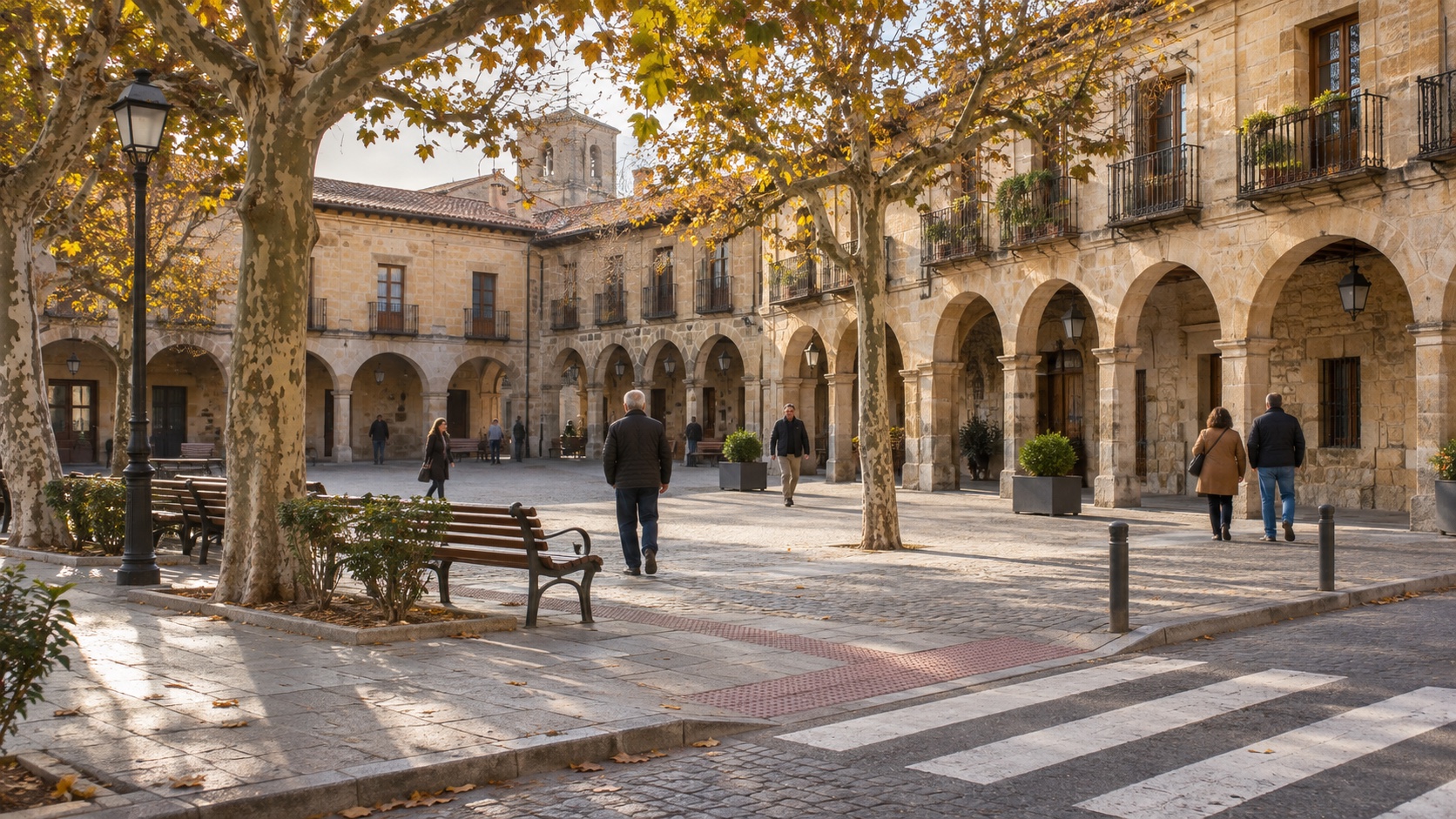
Palencia has reached an important stage in its 2027 participatory budgeting process: ten of the 42 submitted proposals will go to a public vote over an allocation of €150,000. The number worth examining more closely is 31. According to the city council's announcement of 3 November 2026, that many proposals were excluded because the investments were already covered by the municipal budget. One further proposal fell outside municipal responsibility. For the people who submitted them, a useful next question is where they can follow work that is already planned.
What the Palencia announcement establishes
Voting opened on 3 November and runs until 2 December, with the winning proposals due to be announced on 5 December. The shortlisted ideas concern matters including accessibility, trees, shade and public space. Europa Press also reports that implementation will depend on the ranking and the available resources. The ten-item shortlist is therefore a set of choices for the vote, rather than evidence that ten projects have secured funding. Equally, a budget entry does not tell us that a particular investment has been completed, contracted or started.
Thirty-one overlaps raise a question about information
There could be several explanations for an overlap. People may encounter the same need in everyday life, struggle to find an existing investment, or be unsure what it covers. We do not know which explanations apply in Palencia, or whether each submitted idea matched an existing project in every detail. The news nevertheless raises a useful service-design question: how should a new request be connected to a relevant commitment? The phrase “already in the budget” can conclude an eligibility check while still leaving the person who asked without a clear route to the next piece of information.
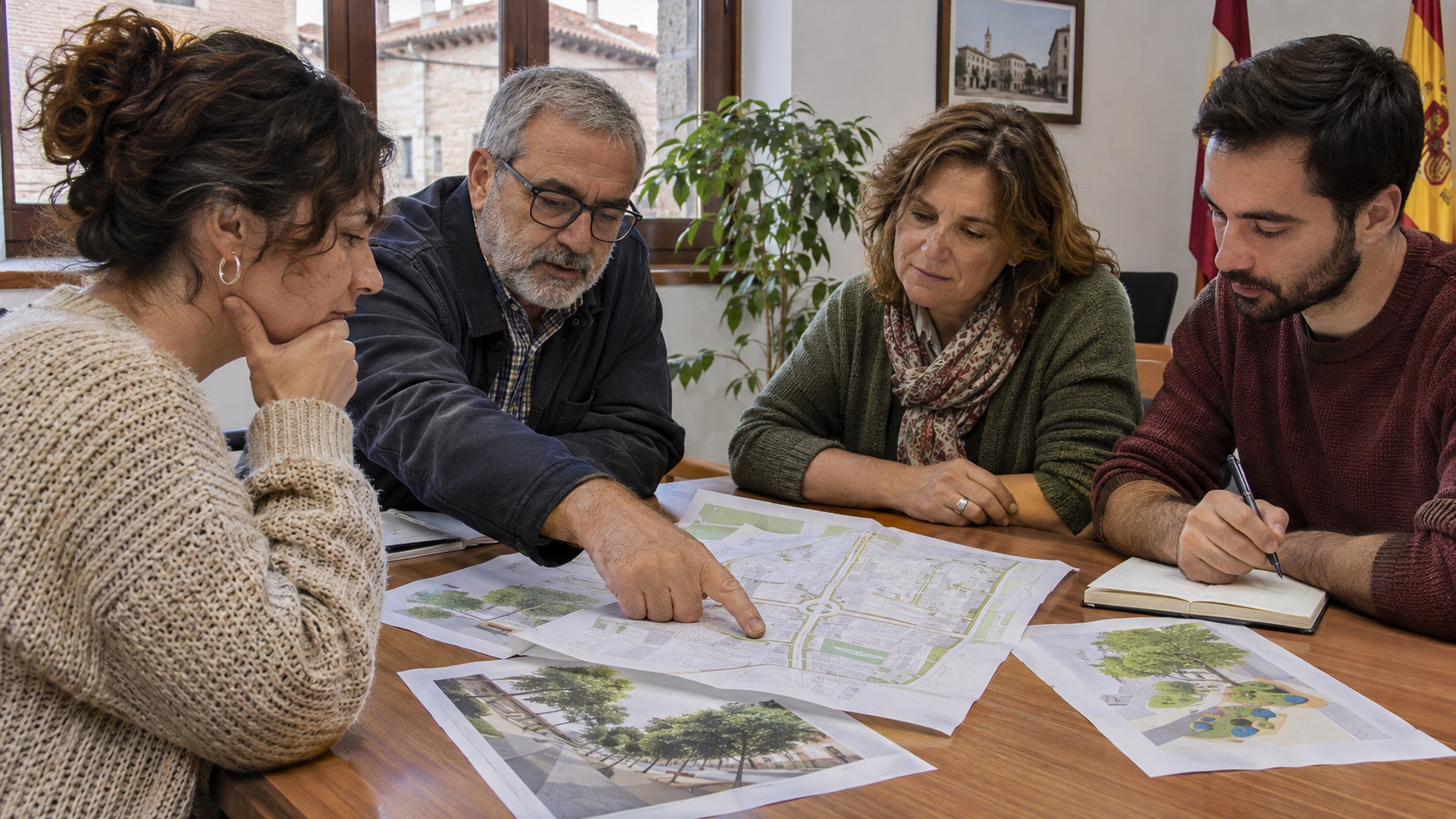
A status should tell the reader what happens next
In a well-designed digital service, each status would have a practical meaning. “Received” could confirm delivery. “Under assessment” would explain what is being checked. “Covered by an existing investment” would identify that investment. “Eligible for voting” would open a choice. “Funded” and “completed” would describe later, different milestones. This is an editorial proposal for organising information, not a description of Palencia's platform. Keeping the stages distinct would help a resident understand the journey without having to reconstruct the relationship between a form, a news item and a budget document on their own.
A tracking record built around real questions
For this kind of situation, we would propose a short public record written for the person looking for an answer. It would not replace official documents. It would provide a clear route to them, using a consistent reference from the original proposal through subsequent updates:
- The need and location: the issue raised and the place it concerns.
- The existing investment: its name, documentary reference and an explanation of the overlap.
- The verified status: what is currently known and when the information was checked.
- The information owner: the service responsible for publishing or correcting an update.
- The next step: the expected action and its deadline, where one has been confirmed.
- Open questions: what remains unresolved and when the record will next be reviewed.
This is a proposed working model, not a register we have found in Palencia. Where no date is known, saying “deadline not confirmed” would be more useful than inventing an estimate or leaving an unexplained blank field. The distinction protects both the reader and the team responsible for maintaining an accurate record.
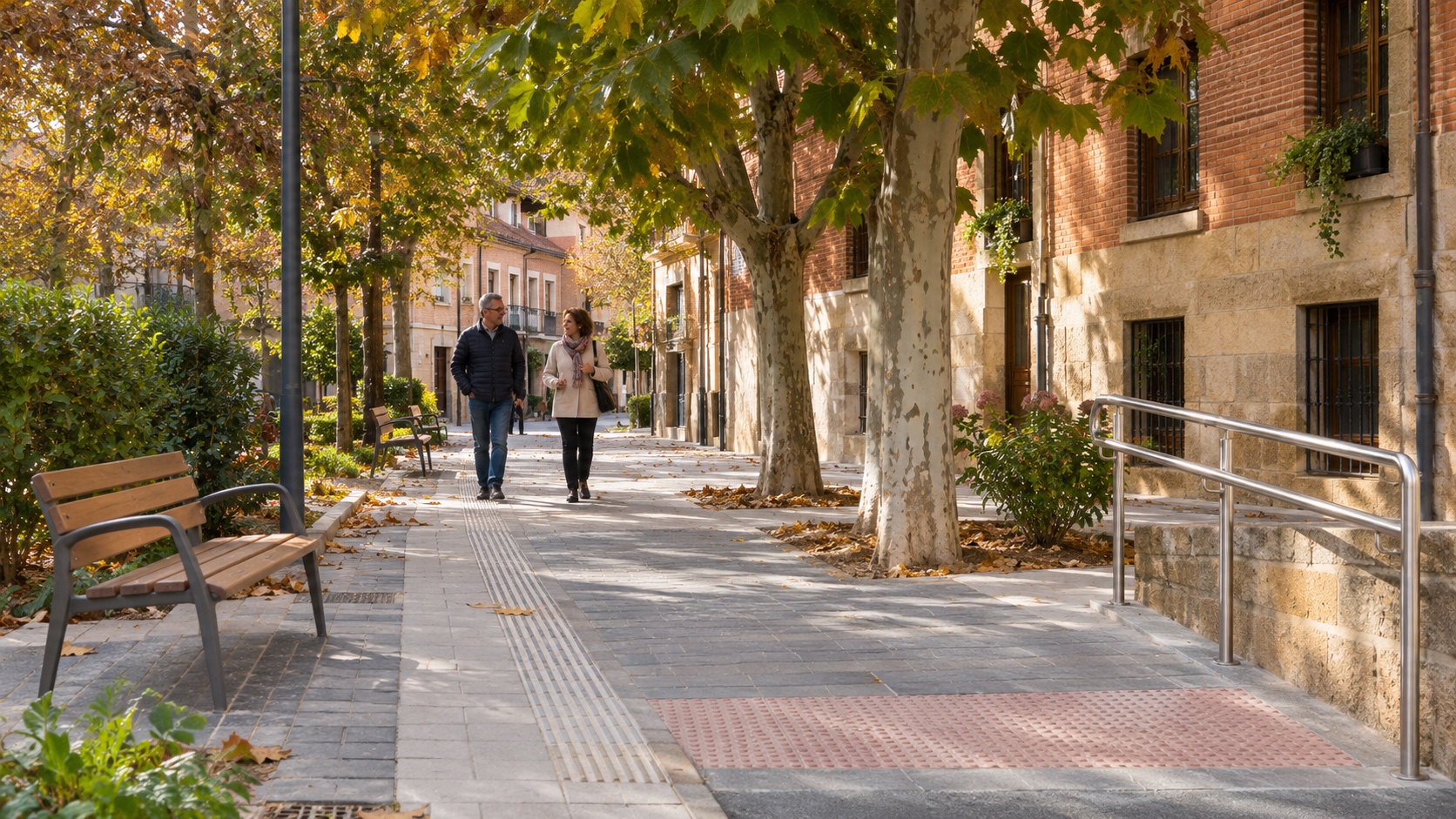
Keeping information current is someone's responsibility
A register can become stale even when its interface looks excellent. Before choosing a tool, the team would therefore need to decide who maintains the information and what evidence justifies a change of status. In our proposed example, the service responsible for the project would confirm progress, while the participation team would maintain the link to the original proposal. Conflicting sources would need to be flagged and reconciled. A page gains credibility through the way it explains and resolves uncertainty over time, rather than by making uncertainty disappear from view.
What a small digital pilot could evaluate
A team testing this model could ask a few people to follow a proposal without additional guidance. Can they identify the reason for the assessment? Can they find the investment mentioned in the response? Can they distinguish a budgeted intention from completed work? Do they know when an update might appear and who is responsible for it? These are proposed evaluation questions, not measured outcomes. Repeated requests for clarification, broken links and records without a recent verification date would also be useful observations. Page views alone would not establish whether the information has become understandable or useful.
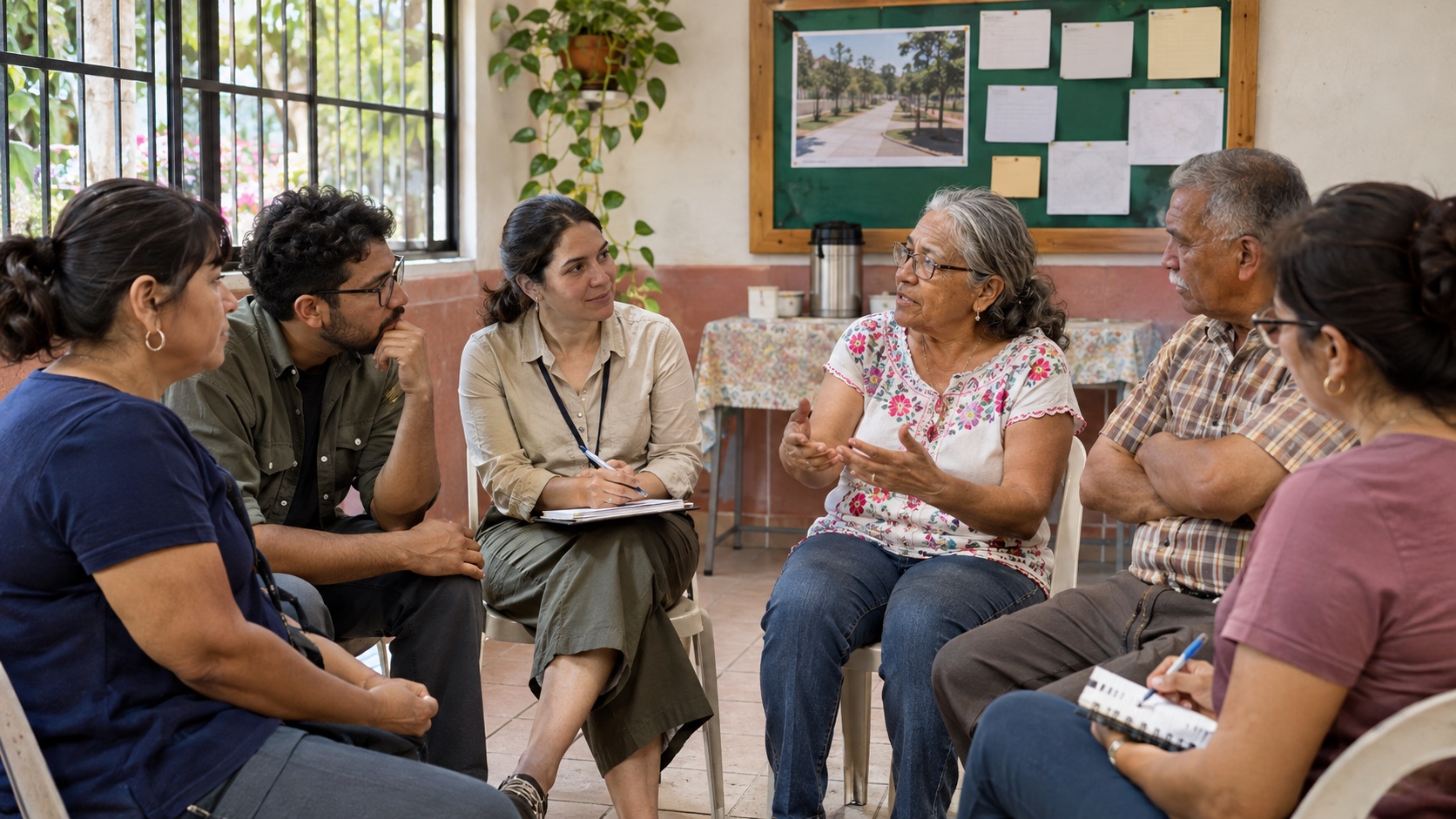
Following the story beyond December's vote
The next announced public milestones for Palencia are the close of voting and the announcement of winners. Neither automatically answers the question raised by the 31 excluded proposals. The sources we have read do not establish the progress of every relevant investment or what notification each proposer received. Asking for a clear reference and an understandable status is an analytical direction, not an allegation that the information is absent from every city channel. An article about transparency should explain the limits of its own evidence as carefully as the service it examines.
For other groups, the connection between a proposal, a decision and the next step also informs the product questions we explore through Deferendum. Palencia remains the subject here: how a correct administrative answer can become a journey that people are able to follow.
A planned investment should be findable. Completed work should be verifiable. Between those points, understandable progress information is part of the service provided to the community.
Editorial illustrations. Sources: Ayuntamiento de Palencia, 3 November 2026; Europa Press, 3 November 2026.