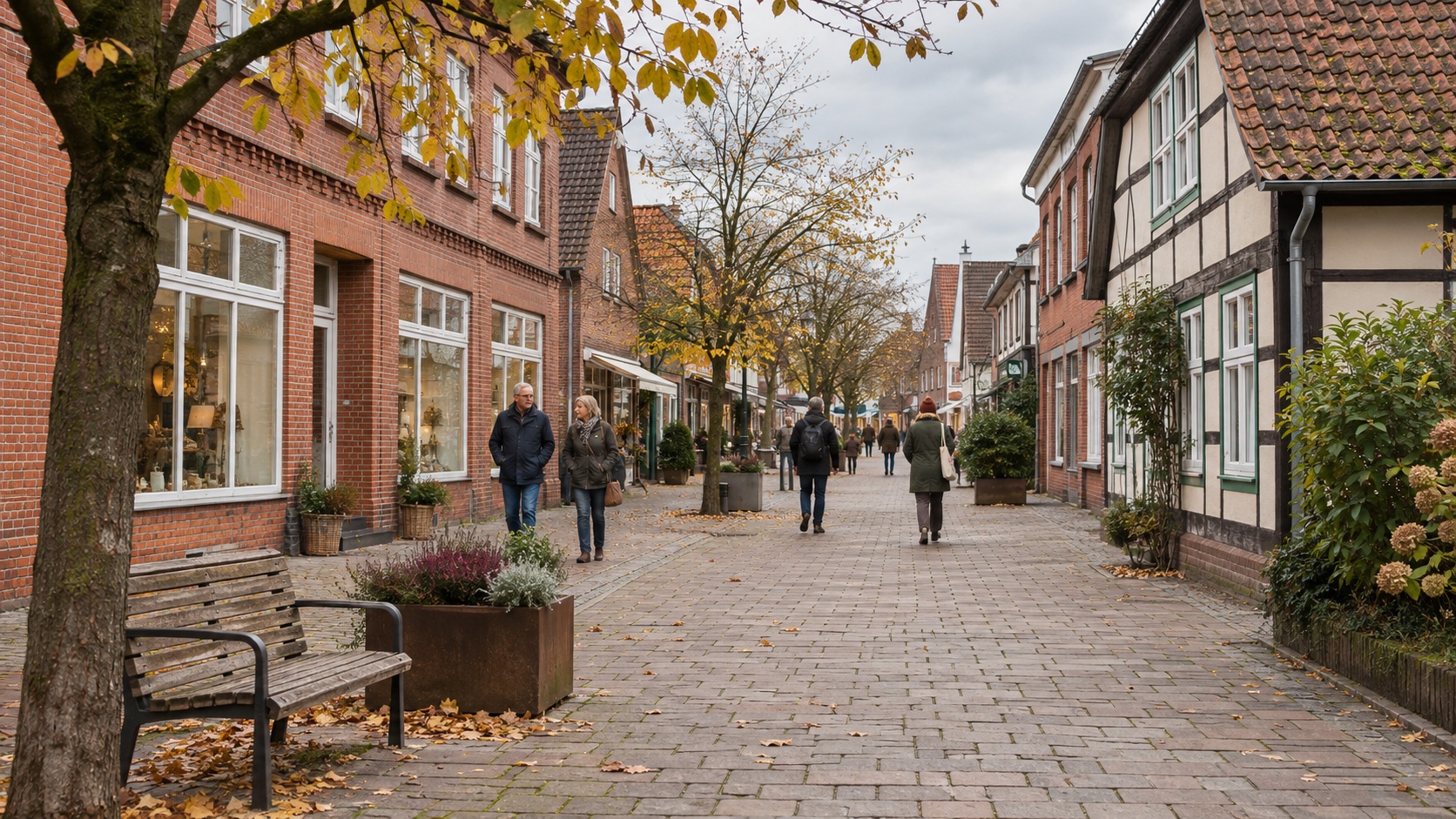
You have ten votes and five projects. You can spread the votes around or give all ten to a single idea. When the results come out, will they show whether an idea attracted broad support or fewer people backed it with all their points? The participatory budgeting pilot in Soltau, Lower Saxony, puts a service design question inside a municipal vote. Residents start with a shortlist. The way the ballot explains who made that list, how points work and what comes next will shape what people understand about their decision.
What Soltau put on the ballot
Online voting opened on 2 November 2026 and closes at 23:59 local time on 20 December. The options are a cooling mist system, a drinking fountain, a play feature inspired by industrial architecture, a covered sandpit and a station explaining Soltau’s saltmaking history. The city plans to implement the two projects with the most votes in 2027. An existing resilient city centres programme supplies €20,000, with a €10,000 limit per project. City of Soltau.
A local steering group developed ten ideas. The city administration checked feasibility, and five went forward. Residents enter this pilot at the voting stage. A possible citywide round could let people submit ideas as well as vote on them. The city puts that expansion no earlier than 2027, with implementation from 2028, subject to the necessary rules and municipal funding. City of Soltau.
Put the rule where people make the choice
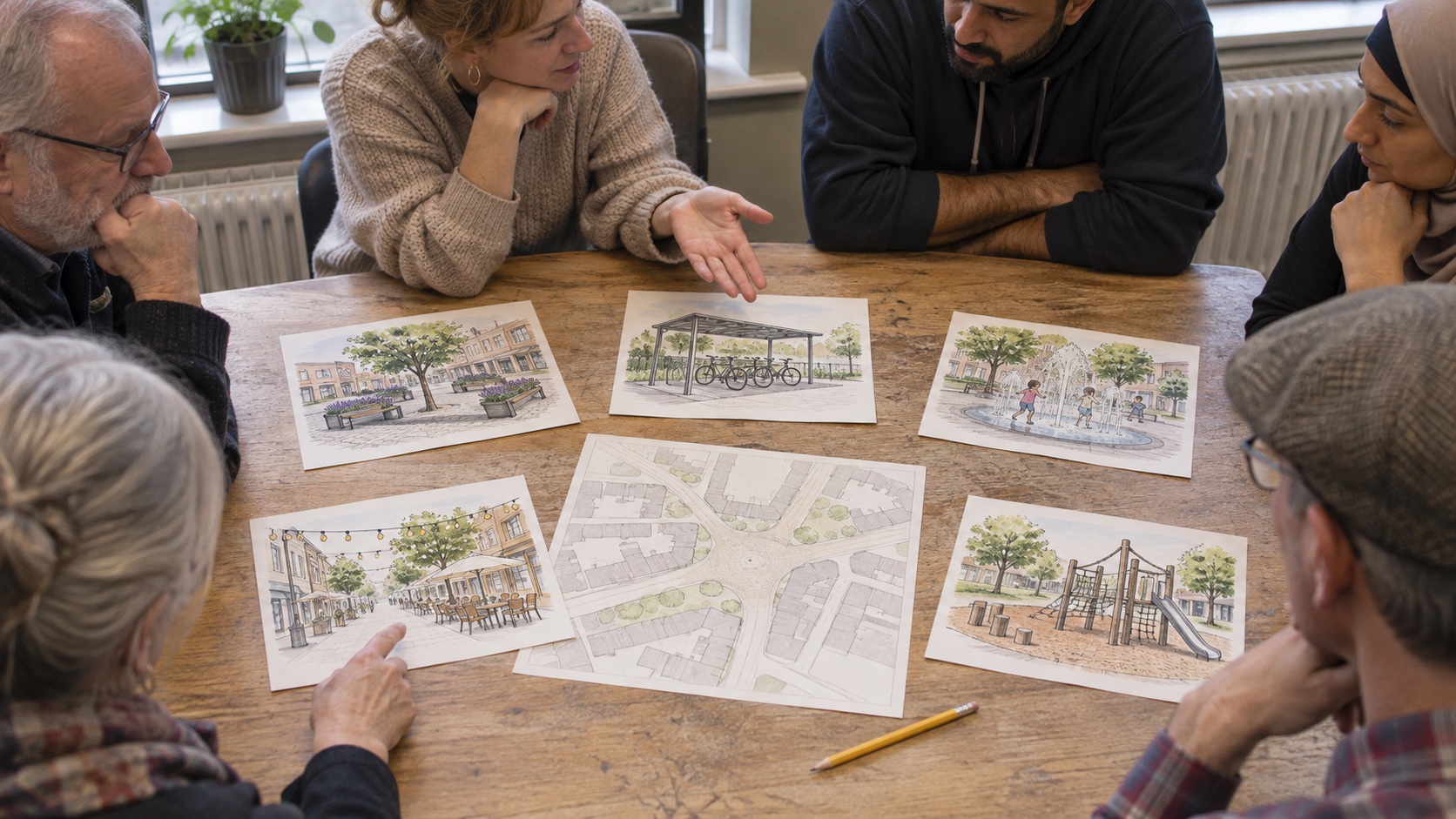
A project card could show its location, what would change, the estimated cost where available and any known maintenance requirements. With these fields in the same order, someone could compare the drinking fountain with the play feature without opening a different document for each. A short note could explain who prepared the shortlist and what the feasibility check covered.
The ballot could display a running balance and a clearly labelled example. Give six points to the fountain and four to the mist system, for instance. A review step would let people check and amend their distribution before they submit it. I would test keyboard and screen reader access, as well as the experience on an older phone. Those are design suggestions for a service like this. Soltau’s announcement gives the top-two rule and the overall deadline. It leaves questions such as tie-breaking and the handling of an incomplete allocation open.

What two other cities do differently
Eberswalde also lets residents distribute votes. People aged 14 and over can submit proposals, which the city reviews against published criteria. Each voter has five tokens and can vote online or in person. Eberswalde reported 4,006 participants in its fifteenth edition. It is possible, in other words, to use a similar ballot after a quite different process for deciding which ideas people get to weigh. City of Eberswalde.
The first of Porto Alegre’s 23 plenaries, held on 3 November, drew 956 participants according to the city. They set investment priorities and elected representatives for the next stage. That extra step offers a question for Soltau’s design team. Who carries the decision forward once the ranking is published? The Brazilian figure counts people at a plenary and the Eberswalde figure counts participation across voting channels, so they cannot be used to compare turnout. City of Porto Alegre.
What I would measure after the deadline
Publish participant counts separately from points cast, show totals by project and explain how any tie was handled. If disclosure is appropriate, counts of the people who gave points to each idea would help readers understand the shape of support. I would review aggregate data on allocation errors, requests for help and abandonment to find places where the process confused people. After results go up, give residents a real task to try without prompts. Can they find the winning projects and work out what will happen next?
What residents should be able to find in 2027
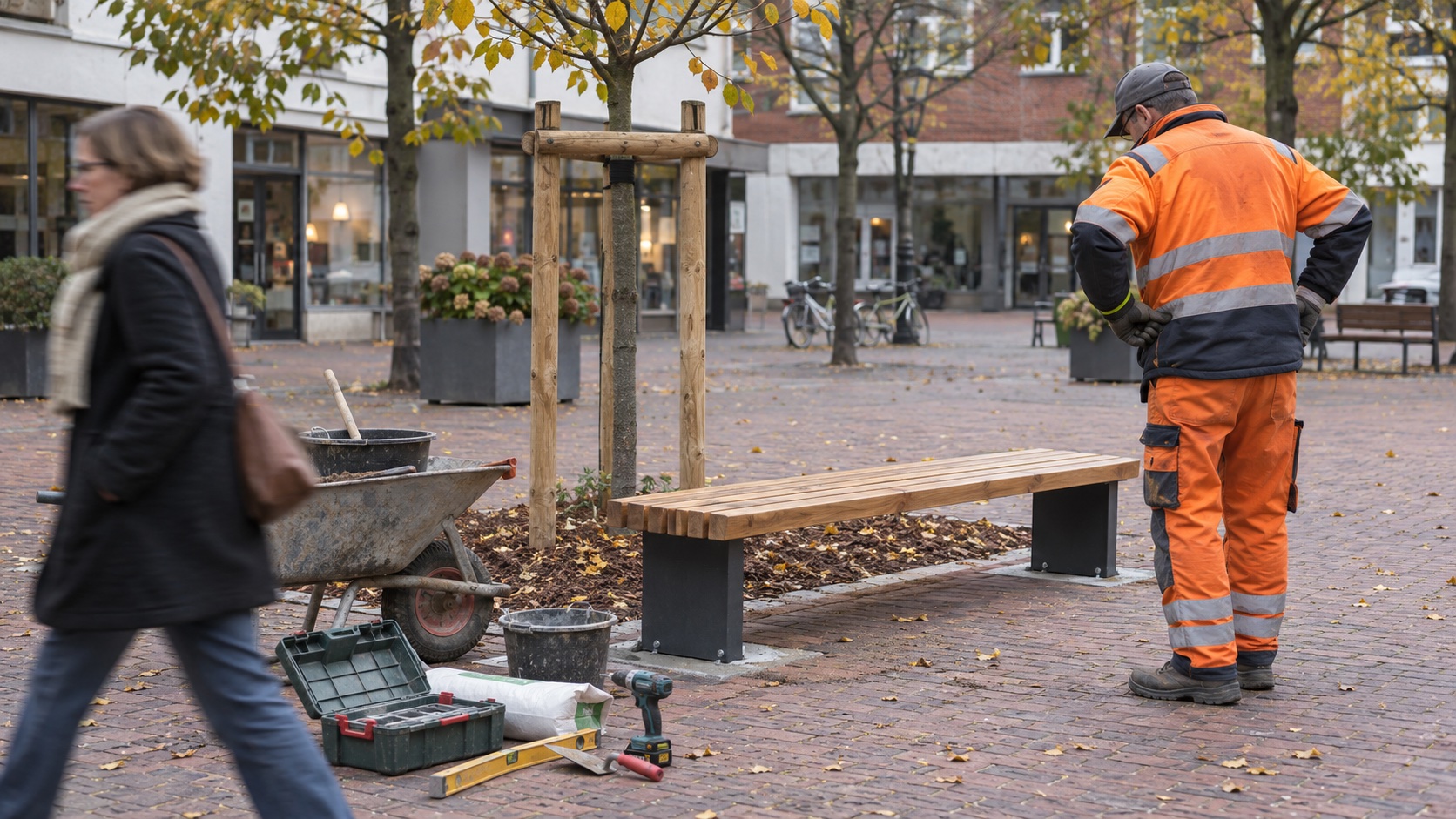
Each selected project could have a record with the team responsible, the estimate, the next milestone, the last update and, eventually, evidence of delivery. If the schedule changes, the record can show when and explain why. Connecting a group decision to a visible next step is a design question we also explore with Deferendum.
Someone returning six months later should be able to find what won, who is responsible and what happens next within a few seconds.